Nonverbal Autism Communication Goals in ABA Therapy
In short: ABA therapy helps nonverbal autistic children build communication skills through tailored goals like using AAC devices, signing, or picture exchange. Goals focus on functional communication, reducing frustration, and increasing independence. Many insurance plans cover ABA, including Medicaid.
Key takeaways
- Communication goals in ABA are individualized based on the child's needs and preferences, not just vocal speech.
- Tools like AAC devices, PECS, and sign language are common targets in ABA communication goals.
- Functional communication training (FCT) replaces challenging behaviors with meaningful communication.
- ABA goals are data-driven, measurable, and broken into small steps to track progress.
What Are Communication Goals in ABA for Nonverbal Children?
Applied behavior analysis (ABA) therapy takes a structured, evidence-based approach to helping autistic children develop communication skills. For a child who is nonverbal-meaning they do not use spoken words functionally-communication goals in ABA focus on teaching alternative ways to express wants, needs, and feelings. These goals are not about forcing speech; they aim to give the child a reliable, functional method to interact with the world. Because ABA is deeply individualized, goals are based on the child's current abilities, preferences, and family priorities.
Why Communication Goals Matter for Nonverbal Autistic Children
Without a functional way to communicate, children may become frustrated, leading to challenging behaviors like tantrums, aggression, or self-harm. Communication goals reduce that frustration by teaching more effective ways to get needs met. For example, a goal might be: "Given a choice of two items, the child will point to a picture of the desired item on a communication board without prompting within 30 seconds." Working toward such goals builds self-confidence and strengthens the parent-child bond, as the child can finally tell you what they want.

🔗 Related reading: California Autism Support Groups for Parents · Find ABA Near Me
How ABA Therapists Set Communication Goals
Goal-setting in ABA is a collaborative, data-informed process. After an initial assessment called the VB-MAPP (Verbal Behavior Milestones Assessment and Placement Program) or other functional assessment, a board-certified behavior analyst (BCBA) works with parents and, if involved, a speech-language pathologist to design measurable goals. Each goal includes a specific behavior, condition, and criterion for mastery. For instance: "When presented with a preferred item out of reach, the child will make eye contact with the caregiver and then point to the item, as modeled, in 4 out of 5 trials across three consecutive sessions." Goals are then broken into small, achievable steps, and data is collected daily to track progress.
Common Communication Modalities in ABA Goals
- AAC Devices: Speech-generating devices or tablets with communication apps (e.g., Proloquo2Go) that produce spoken words when the child presses a button.
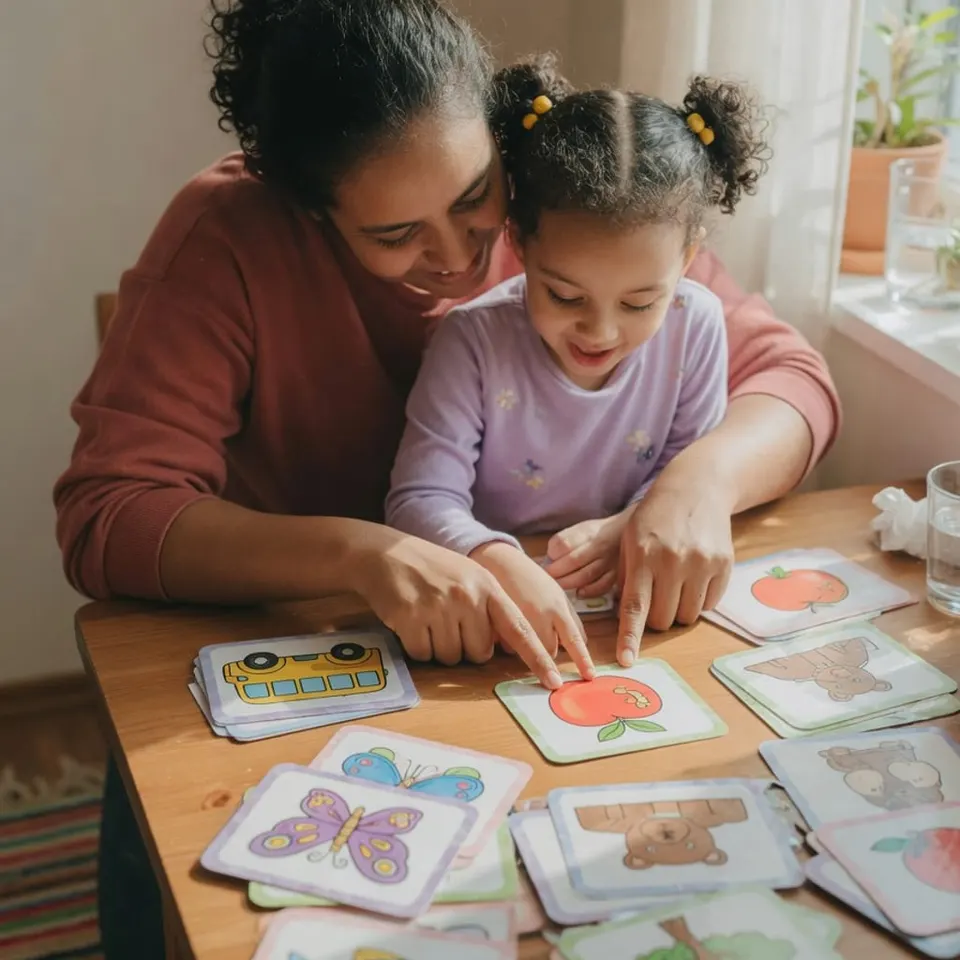
- Picture Exchange Communication System (PECS): The child hands a picture card to a communication partner to request or comment.
- Sign Language: Teaching simple signs like 'more', 'all done', or 'help'.
- Gestures and Vocalizations: Encouraging any intentional sound or gesture as a first step toward more complex communication.
- Visual Schedules and Choice Boards: Using pictures or symbols to express preferences or understand daily routines.
Functional Communication Training (FCT) in ABA
Functional Communication Training (FCT) is a core ABA technique for nonverbal children. Instead of reducing behavior by punishment, FCT identifies the function of challenging behavior (e.g., a child hits to get a toy) and then teaches a more appropriate way to achieve that same function (e.g., touching a picture of the toy). For example, if a child screams when they want a break from an activity, the goal might be: "When feeling overwhelmed, the child will hand the therapist a 'break' card to request a 2-minute pause, without engaging in screaming, for 5 consecutive sessions." FCT is gentle, respectful, and highly effective.
🔗 Related reading: ABA Therapy in Ohio: What Families Can Expect · Local ABA Therapy
What to Expect When Starting Communication-Focused ABA Therapy
When you begin ABA therapy for communication, the first few weeks often involve building rapport and conducting baseline assessments. The BCBA will observe your child in natural settings, such as home or school, to identify what already motivates them to communicate (e.g., preferred toys, foods, or people). Therapy sessions usually occur several times per week, often 10 to 30 hours, depending on the child's age and needs. Initially, the therapist may use simple prompting (e.g., placing a favorite snack in a clear container to elicit a request) and then quickly fade prompts as the child learns. Progress is measured monthly, and goals are adjusted as the child advances.
Costs and Insurance Coverage for ABA Communication Goals
ABA therapy is widely covered by health insurance, including many Medicaid plans and private carriers, because it is considered an evidence-based treatment for autism spectrum disorder. Many states require coverage under autism insurance mandates. However, out-of-pocket costs vary greatly depending on your plan's copays, deductibles, and authorized hours. As a free referral service, ABA For My Child helps families identify providers that accept their insurance, including state Medicaid programs like Early and Periodic Screening, Diagnostic, and Treatment (EPSDT) benefits. It's always worth checking with your insurance company; many plans cover ABA for functional communication goals.
Common Mistakes to Avoid When Setting Communication Goals
- Focusing only on spoken words: Pressuring a child to speak can cause anxiety and is ineffective if the child is not ready. Instead, embrace all forms of communication.
- Setting goals too broad: Goals like "improve communication" are not measurable. Break them into tiny steps, like "touch the 'more' button on the tablet when prompted."
- Ignoring the child's preferences: If the child loves bubbles, use bubble requests to motivate communication, not something they dislike.
- Neglecting generalization: Practicing a skill only with the therapist at the table does not mean the child will use it at the park or with Grandma. Goals should include practice across people and places.
- Forgetting the family: Parents need training to reinforce communication skills throughout the day, not just during therapy hours.
Collaboration Between ABA and Speech Therapy
While ABA and speech therapy are distinct disciplines, they can work beautifully together for communication goals. The BCBA focuses on behavior and motivation, while the speech-language pathologist brings deep knowledge of language development and AAC systems. When both teams communicate and share goals-say, the speech therapist selects the vocabulary for a device, and the BCBA teaches the child to use it in functional routines-the child benefits from a unified plan. Many families find that integrated care speeds up progress. Our service can help you find BCBA-led providers who actively collaborate with other therapists.
Practical Tips for Parents Supporting Communication at Home
- Model the communication method: Use the same AAC device, PECS cards, or signs that your child is learning to show them how it's done in real life.
- Create communication opportunities: Put a favorite snack in a clear jar out of reach, so your child must request it. Pause during routines (like bath time) to give them a chance to indicate 'more'.
- Respond quickly and warmly to any attempt to communicate, even if it's imperfect. Positive reinforcement makes the skill stick.
- Be patient: This process takes months or longer. Celebrate every tiny victory, from a first point to a first button push.
- Involve siblings and caregivers: Everyone who interacts with your child should know what method they are using and how to support it.
How Our Free Service Helps You Find the Right Provider
At ABA For My Child, we know that every family's journey is unique. Our free matching service connects you with vetted, BCBA-led ABA providers who specialize in communication goals for nonverbal children. We ask about your location, child's age, and insurance so we can present options that fit. Our providers use evidence-based practices like FCT and have experience with AAC and other augmentative communication. We do not charge you anything; our goal is to help you find the right fit so your child can begin communicating more effectively and with less frustration. If you are starting this process, let us help you take the first step.