How to Prepare Your Child for Their First ABA Session
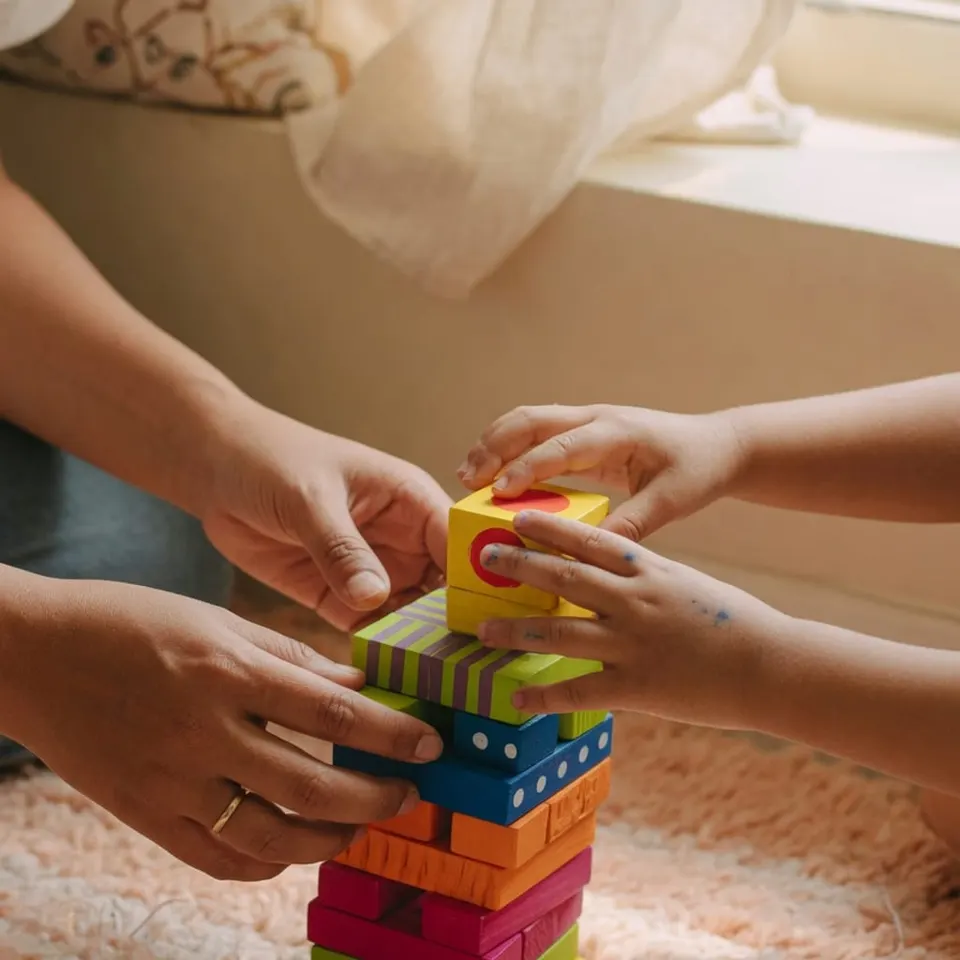
In short: Start by talking with your child in simple terms about the new person and activities they will meet. Plan a calm morning, pack a comfort item, and let your child lead the pace. Use the free matching service at ABA For My Child if you need help finding a vetted, BCBA-led provider in your area.
Key takeaways
- Communicate early with your child about the new experience using simple, positive language.
- Maintain a calm, predictable routine before and after the session to reduce anxiety.
- Pack a comfort items and any reinforcers your child enjoys to help with transitions.
- Be ready to observe or participate, but let the BCBA lead the session.
Understanding Your Child's First ABA Session
Applied behavior analysis (ABA) therapy is a science-based approach to understanding and improving behavior. The first session, though, is not about intense work-it's about building trust. Think of it as a get-to-know-you visit between your child, you (the parent or caregiver), and the Board Certified Behavior Analyst (BCBA) or a supervised Registered Behavior Technician (RBT).
Your role is essential from the start. As the family member who knows your child best, you will share what motivates them, what soothes them, and what triggers they might have. The session is often held in your home, at a clinic, in a school, or in the community, depending on the provider and your child's needs. Because ABA For My Child is a free matching service that connects you with vetted, BCBA-led providers, you can expect the provider to already have some background information from your match profile.

🔗 Related reading: 2-Year-Old Not Pointing: When to Seek Help · Local ABA Therapy
Before the Session: Setting the Stage
Talk About the Visit in Simple Terms
For children who communicate verbally, describe the new person using a familiar frame, like a friend who comes to play and learn. For non-verbal or minimally verbal children, use visual schedules, social stories, or pictures of the therapist they will meet. Emphasize safety and predictability. You might say, 'Tomorrow, Sam will come to our home to play with your favorite cars.' This gives your child a mental picture of what to expect.
Stick to Your Child's Routine
A predictable morning helps reduce anxiety. Keep meals, bath times, and bedtime consistent. If the session is at home, tidy a favorite play area but don't rearrange the room-your child needs their familiar environment. If the session is at a clinic, pack familiar snacks and a water bottle to keep routines intact.
Pack a 'Comfort Kit'
Include a favorite toy, stuffed animal, or blanket. Also pack any special interests or reinforcers your child loves, like bubbles, a tablet with a preferred app, or a sensory item (e.g., a fidget spinner or weighted lap pad). These items ease transitions and help the BCBA build rapport by joining in your child's interests.
Prepare Yourself Emotionally
Parents often feel a mix of hope and worry. It's normal. Remind yourself that the first session is low-pressure. You do not need to have everything figured out. Simply being present and open is enough. If you need support finding a provider, ABA For My Child is available to match you with a vetted, BCBA-led agency that fits your insurance and location-all at no cost to you.
During the Session: What to Expect
The BCBA or RBT Will Observe First
The therapist will spend time watching your child during natural play, daily routines, or structured activities. They may not immediately jump in with a lesson. This observation phase helps them understand your child's communication style, preferences, and potential triggers. For example, they might notice your child enjoys spinning wheels but becomes upset when a song stops abruptly. This data informs later goals.
Building Rapport and Trust
The provider will pair themselves with fun, motivating activities so your child associates them with positive experiences. They may follow your child's lead, imitate their sounds, or offer choices like 'cars or blocks?' Expect laughter, silly games, and a lot of patience. This pairing process can take the whole first session, and that's perfectly okay.
Your Role: Be a Partner, Not a Director
Stay nearby but let the therapist take the lead. If your child looks to you for cues, you can offer a reassuring smile or phrase. The therapist might ask you to join in or to step back and observe. Either way, your calm presence is a anchor. Resist the urge to prompt your child or correct behavior during the session-the provider is trained to handle that. If you have a question, wait for a natural pause or a scheduled debrief time.
Data Collection Happens Quietly
The provider may take notes on a clipboard, tablet, or smartphone. This is normal-they are recording baseline data on behaviors like following instructions, requesting items, or transitions. Do not feel that your child is being 'tested.' Think of it as a snapshot of their current skills.

🔗 Related reading: SelectHealth ABA Coverage in Utah: A Parent's Guide · Local ABA Therapy
After the Session: Wrapping Up
Allow Time for a Wind-Down
Your child may feel tired, overstimulated, or even a little disappointed that the novel visitor is leaving. Plan a calm activity after the session, such as a quiet walk, reading a book, or a sensory break. Avoid a rushed schedule or noisy outings right after.
Share Feedback with the BCBA
Most providers will give you a quick summary or set up a longer parent meeting later. You can also share any observations: 'He really engaged when you sang that song' or 'He seemed nervous when you touched his train set.' This collaborative input improves the therapy plan. They may also discuss initial goals, frequency of sessions, and how to reinforce skills at home.
Reinforce the Positive
Praise your child for being brave, trying new things, or even just making it through. Use specific, genuine language like 'You did a great job showing Sam your dinosaur today!' This encourages a positive memory of the experience.
Addressing Common Concerns About the First Session
What If My Child Refuses to Participate?
Provider are trained to work with resistance. If your child runs away, covers their ears, or has a meltdown, the therapist will not force engagement. They will shift to a more indirect approach, like parallel play. Your child's comfort and safety always come first. A strong start means respecting the child's limits.
Will There Be Any Demands or Tasks?
In the first session, demands are minimal. The provider might ask your child to point to a picture, hand over a toy, or follow a simple instruction like 'sit down,' but only after rapport is built. If your child does not comply, the therapist will use gentle prompting (like modeling or partial physical guidance). No harsh consequences ever occur in ethical, BCBA-led ABA.
How Long Does the First Session Last?
Typically, a first session lasts between 45 minutes and 2 hours, depending on the setting and your child's tolerance. Some clinics schedule a shorter session (e.g., 30 minutes) for young children or those with high anxiety. Your provider will confirm the expected duration beforehand.
What About Costs and Insurance for the First Session?
If you are paying through insurance, the first session-often a 'new patient' or 'initial assessment' visit-is typically covered under the same benefits as ongoing sessions. ABA therapy is widely covered by commercial insurance plans, as well as state Medicaid programs under the Early and Periodic Screening, Diagnostic and Treatment (EPSDT) benefit. If you are uninsured or underinsured, ask the provider if they offer a sliding scale fee or a free initial consultation. Remember, ABA For My Child is a free matching service that helps you compare providers and find ones that accept your insurance.
Mistakes Parents Sometimes Make (And How to Avoid Them)
Overscheduling the Day
Do not cram the first session day with other appointments or playdates. Your child needs downtime to process the new experience. A full schedule can lead to overwhelm and a negative first impression.
Comparing Your Child to Others
Every child's first session looks different. Some are chatty and eager; others are shy or have a meltdown. Trust the process. The BCBA has individualized goals in mind from day one.
Forgetting to Ask Questions
You are your child's best advocate. Jot down questions before the session, like 'How will you handle a challenging behavior?' 'What does parent training look like?' 'How will you share progress?' Asking empowers you and builds a collaborative relationship.
Expecting Instant Results
ABA is not a quick fix. The first session is a foundation. Meaningful progress often takes weeks or months of consistent therapy. Celebrate small wins, like your child tolerating a new person or engaging in a new activity.
How to Find a Trusted, BCBA-Led Provider
If reading this post has you feeling ready but you have not yet found the right provider, use ABA For My Child. It is a completely free service that matches your family with vetted, BCBA-led therapy providers in your area. You fill out a short questionnaire about your child's age, location, insurance, and preferences, and we connect you with up to three local providers. This saves you hours of research and gives you peace of mind that each provider meets professional standards. Whether you are in Miami, Chicago, Denver, or a rural county like Volusia County, Florida, or Clark County, Nevada, we can help. And if your child has Medicaid through a state program (for example, California's Medi-Cal or New York's Medicaid), many matched providers accept those plans.
Conclusion: Trust the Journey
Preparing for your child's first ABA session is about setting clear expectations for yourself and creating a calm, supportive environment for your child. By communicating simply, sticking to routines, packing comfort items, and staying emotionally open, you set the stage for a positive experience. Your role as a parent is invaluable-your insights and partnership will help the BCBA build a therapy plan that truly works for your unique child. And if you still need to find a provider, remember that ABA For My Child is here to help you get matched with a vetted, BCBA-led provider for free, so you can focus on what matters most: your child's growth and happiness.