How ABA Therapy Helps Regain Lost Skills in Autism
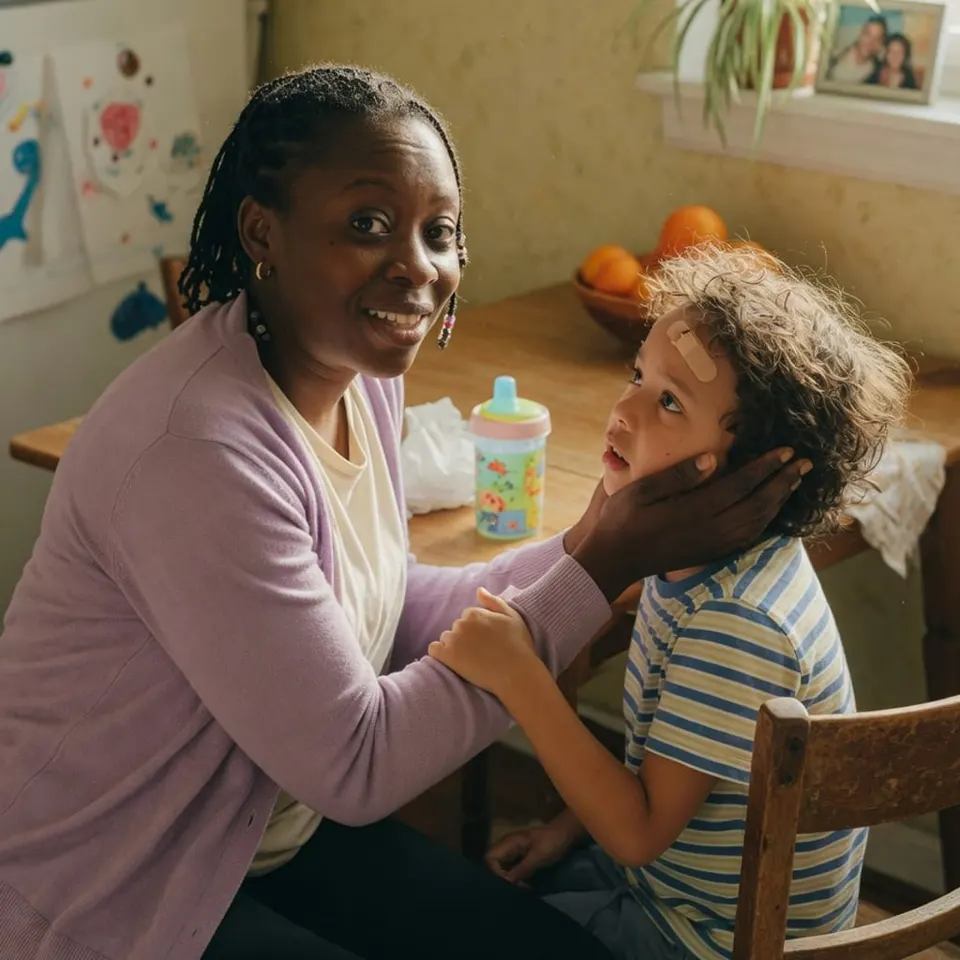
In short: Skill regression, where an autistic child loses previously mastered abilities, can be concerning but often responds well to Applied Behavior Analysis (ABA) therapy. ABA uses structured teaching and positive reinforcement to rebuild and strengthen core skills, with a focus on generalization to prevent future regression. Our free service connects you with vetted BCBA-led providers who can design personalized programs to address regression.
Key takeaways
- Skill regression in autism can involve loss of language, social, or adaptive skills, often linked to stress or developmental transitions.
- ABA therapy is evidence-based for addressing regression through functional assessment and targeted intervention.
- Comprehensive ABA programs focus on teaching replacement behaviors and reinforcing skill maintenance.
- Early and consistent intervention improves outcomes; insurance and Medicaid often cover ABA services.
Understanding Skill Regression in Autism
What Is Skill Regression?
Skill regression refers to the loss of previously acquired abilities in areas such as language, social interaction, play, or self-care. In autistic children, this can be deeply concerning for families who have celebrated developmental milestones. Regression may occur suddenly or gradually, and it can affect children at any age. While the causes are not fully understood, factors like stress, changes in routine, or medical conditions may play a role. Recognizing regression early is crucial because interventions like ABA therapy can help rebuild these skills.
Common Signs and Types of Skills Lost
- Loss of spoken words or decrease in vocabulary
- Reduced eye contact or social engagement
- Loss of imitative play or pretend play skills
- Decline in self-help skills such as feeding or dressing
- Increased repetitive behaviors or rigidity
Why Does Regression Happen?
Research suggests regression may be linked to neurological differences, sensory overload, or disruption in routines. Transitions like starting school, a move, or the arrival of a sibling can trigger regression. In some cases, underlying medical issues such as seizures or gastrointestinal problems contribute. Understanding the triggers helps BCBAs design effective intervention plans.

🔗 Related reading: California Medicaid ABA & Speech Therapy Guide · Local ABA Therapy
The Role of ABA Therapy in Reversing Regression
How ABA Targets Lost Skills
Applied Behavior Analysis is an evidence-based approach that focuses on teaching new skills and reducing challenging behaviors. When a child has regressed, ABA therapists conduct a functional behavior assessment (FBA) to identify why skills were lost. They then design individualized programs to rebuild those skills step by step, using positive reinforcement to encourage progress. ABA is particularly effective because it breaks skills down into small, teachable components and reinforces each success.
Functional Behavior Assessment and Individualized Plans
The first step after noticing regression is a thorough assessment by a Board Certified Behavior Analyst (BCBA). This includes interviewing parents, observing the child, and reviewing data on skill levels. The BCBA develops a behavior intervention plan (BIP) that targets the specific skills that were lost. The plan includes measurable goals, teaching strategies, and methods to track progress. Because every child is unique, personalized plans are essential for effective treatment.
Teaching Generalization and Maintenance
A key challenge in addressing regression is ensuring skills are not only regained but also maintained across settings. ABA therapists actively teach generalization-practicing skills in different environments (home, school, community) with different people. They also build maintenance into programs by gradually thinning reinforcement schedules while ensuring the child continues to use the skill independently. This prevents future regression and promotes lasting progress.
Strategies ABA Therapists Use to Regain Skills
Discrete Trial Training and Natural Environment Teaching
Two common ABA techniques are Discrete Trial Training (DTT) and Natural Environment Teaching (NET). DTT involves structured, one-on-one instruction where a therapist presents a cue, prompts a response, and reinforces correct behavior. This is ideal for teaching foundational skills like labeling objects or following instructions. NET takes learning into natural settings-like play or mealtime-and uses the child's interests to teach functional skills. Both approaches are used flexibly to address the child's needs.
Reinforcement Schedules and Shaping Behaviors
Reinforcement is at the heart of ABA. For a child who has lost skills, therapists often start with continuous reinforcement (every correct response is rewarded) to build momentum. As skills improve, they move to intermittent reinforcement to encourage durability. Shaping involves reinforcing successive approximations toward a target behavior. For example, if a child lost the ability to say 'more,' the therapist might first reinforce any vocalization, then a sound like 'm,' and finally the complete word.
Data-Driven Decision Making
ABA is unique because it relies on data to guide treatment. Therapists collect data on each target behavior during every session. This data is analyzed to determine if the intervention is working. If progress stalls, the BCBA modifies the approach. For regression specifically, data can reveal patterns-such as which settings or times of day regression occurs-allowing for targeted adjustments.

🔗 Related reading: 3 Year Old Not Talking But Babbling? ABA Can Help · Local ABA Therapy
What to Expect When Starting ABA for Regression
Initial Assessment and Goal Setting
When you begin ABA therapy through a provider matched by our free service, the process starts with a comprehensive assessment. The BCBA will spend time getting to know your child, reviewing medical and developmental history, and conducting direct observations. Together, you will set realistic, measurable goals focused on the skills your child has lost. Goals might include 'uses 10 spoken words independently across settings' or 'initiates play with a peer in 3 out of 5 opportunities.'
Typical Timeline for Regaining Skills
Every child progresses at their own pace, but families often see initial improvements within the first few weeks of consistent therapy. More significant regaining of complex skills may take several months. Factors influencing timeline include the severity of regression, the child's age, and the intensity of therapy. Most programs recommend 20-40 hours per week of ABA for substantial progress, though this is individualized. Patience and consistency are key.
Partnership with Parents and Caregivers
Successful ABA programs involve parents as active partners. Therapists provide training on techniques to use at home, such as prompting, reinforcing, and creating structured routines. Parental consistency helps reinforce skills outside of therapy sessions. Our matching service ensures you work with BCBA-led teams that value parent collaboration. You are not alone in this journey.
Costs, Insurance, and Accessing ABA Therapy
Insurance Coverage for ABA (Including Medicaid)
ABA therapy is widely covered by health insurance plans, including many commercial policies and state Medicaid programs. The Affordable Care Act requires coverage for autism-related services in many states, and Medicaid's Early and Periodic Screening, Diagnostic, and Treatment (EPSDT) benefit often covers ABA for eligible children. However, coverage varies by state and plan. It's important to verify your benefits. Our free matching service can help you identify providers who accept your insurance and navigate the process.
How 'ABA For My Child' Can Help You Get Matched for Free
ABA For My Child is a free service that connects families with vetted, BCBA-led ABA providers in your area. We understand that finding the right therapist after noticing regression can be overwhelming. Simply tell us about your child's needs and your insurance, and we will match you with providers who have experience in addressing skill regression. There is no cost to you-our goal is to make quality ABA accessible.
Options for In-Home, Center-Based, and School-Based Therapy
Depending on your child's needs and your insurance, ABA can be delivered in various settings. In-home therapy allows skills to be taught in a natural environment, which promotes generalization. Center-based programs offer structured learning and social opportunities. Some providers also offer collaboration with schools to support your child's IEP. Our matching service can help you explore these options and choose what works best for your family.

Practical Tips for Supporting Your Child at Home
Creating a Structured Routine
Children with autism often thrive on predictability. After regression, a consistent daily schedule can provide security and reduce anxiety that might trigger further skill loss. Use visual schedules or timers to help your child anticipate activities and transitions. This structure also supports the skills being taught in ABA therapy.
Using Visual Supports and Communication Aids
If your child has lost verbal communication, visual supports can bridge the gap. Picture exchange systems, choice boards, or simple sign language can help your child express needs without frustration. Work with your BCBA to integrate these tools into the home environment consistently.
Reinforcing Positive Behaviors Consistently
Reinforcement isn't just for therapy sessions. At home, catch your child using a regained skill and praise them specifically. For example, 'Great job asking for water!' Consistency across caregivers-parents, grandparents, babysitters-helps solidify learning. Your BCBA can coach you on effective reinforcement strategies.
Mistakes to Avoid When Addressing Regression
Waiting Too Long or Assuming It's Just a Phase
Skill regression is not something to wait out. Early intervention is critical for regaining lost abilities. Delaying action may allow the regression to become more entrenched, making it harder to reverse. If you notice a decline, consult a BCBA as soon as possible.
Not Involving a BCBA Early
Some families try behavior strategies on their own or rely on non-specialist advice. Without a functional assessment, you may not address the root cause of regression. A BCBA brings expertise in behavior analysis and can design a plan specifically for your child's needs. Our free matching service can connect you with a qualified BCBA quickly.
Overlooking Environmental or Medical Causes
Sometimes regression has a medical component-sleep problems, gastrointestinal issues, or seizures are common in autistic children. Always consult your pediatrician or a developmental specialist to rule out medical causes. The BCBA will consider these factors in the assessment but cannot diagnose medical conditions.