What to Expect in Your Child's First ABA Session
In short: Your child's first ABA session is usually a low-pressure, observation-based visit where a BCBA or therapist builds rapport, conducts an initial assessment, and begins understanding your child's strengths and needs. It's a time for you to ask questions and share concerns. The session focuses on creating a comfortable environment and a plan for future therapy, often without direct intervention.
Key takeaways
- The first session is primarily about building rapport and conducting an initial assessment, not intensive therapy.
- A Board Certified Behavior Analyst (BCBA) leads the session, often with a registered behavior technician (RBT) observing.
- Parent involvement is crucial-you'll share your child's history, goals, and any concerns.
- The session typically lasts 1-2 hours and may include play-based activities to observe your child's natural behavior.
Find your child's ABA provider
About 60 seconds · free & confidential
- ✓ Vetted, BCBA-led providers
- ✓ In-home, center & telehealth
- ✓ No obligation, ever
What Is the First ABA Session Really Like?
The first ABA (Applied Behavior Analysis) therapy session is often a gentle introduction rather than a full therapy session. It's designed to help the therapist understand your child's unique strengths, challenges, and preferences. Think of it as a collaborative meeting where the BCBA (Board Certified Behavior Analyst) gets to know your child and your family. This session typically takes place in a comfortable setting-often your home, a clinic, or even a community location-to ensure your child feels at ease.
🔗 Related reading: Kaiser California ABA Therapy: A Parent's Guide · Local ABA Therapy
Who Will Be Involved in the First Session?
The Board Certified Behavior Analyst (BCBA)
The BCBA is the lead professional who designs and oversees your child's ABA program. During the first session, they will observe your child, ask you detailed questions, and begin to form a baseline of your child's current skills. They are trained to use evidence-based strategies and will explain the process in a clear, respectful way.
The Registered Behavior Technician (RBT)
An RBT is a trained therapist who works directly with your child under the BCBA's supervision. In the first session, the RBT may observe or interact with your child to help the BCBA gather information. They are often the ones who will provide ongoing therapy sessions, so their presence helps build early familiarity.
You and Your Family
Your role is essential. You know your child best. The BCBA will ask about your child's daily routines, favorite activities, communication style, and any behaviors you find challenging. This is also your time to ask questions about what ABA involves, how often sessions will occur, and what you can do at home to support progress. ABA therapy is most effective when families are actively involved.
Looking for ABA therapy for your child? We match families with vetted, BCBA-led providers near you.
Get matched freeWhat Happens During the First ABA Session?
Building Rapport and Observation
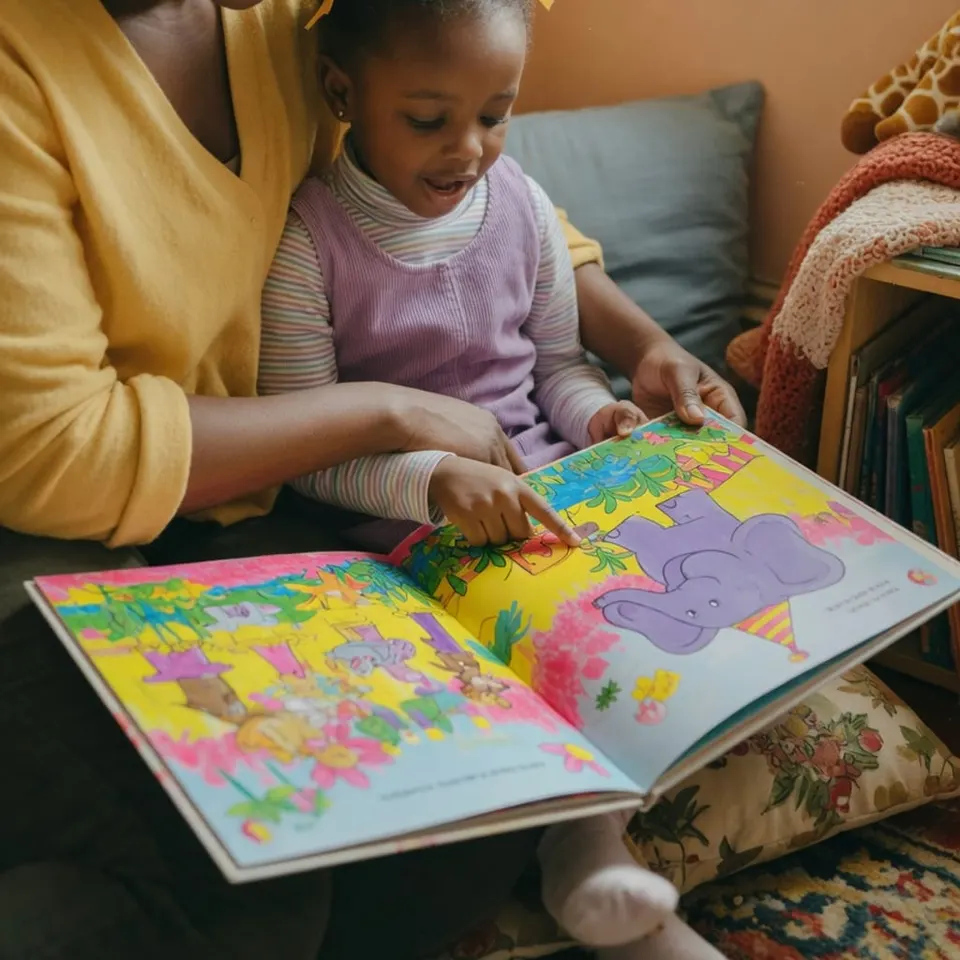
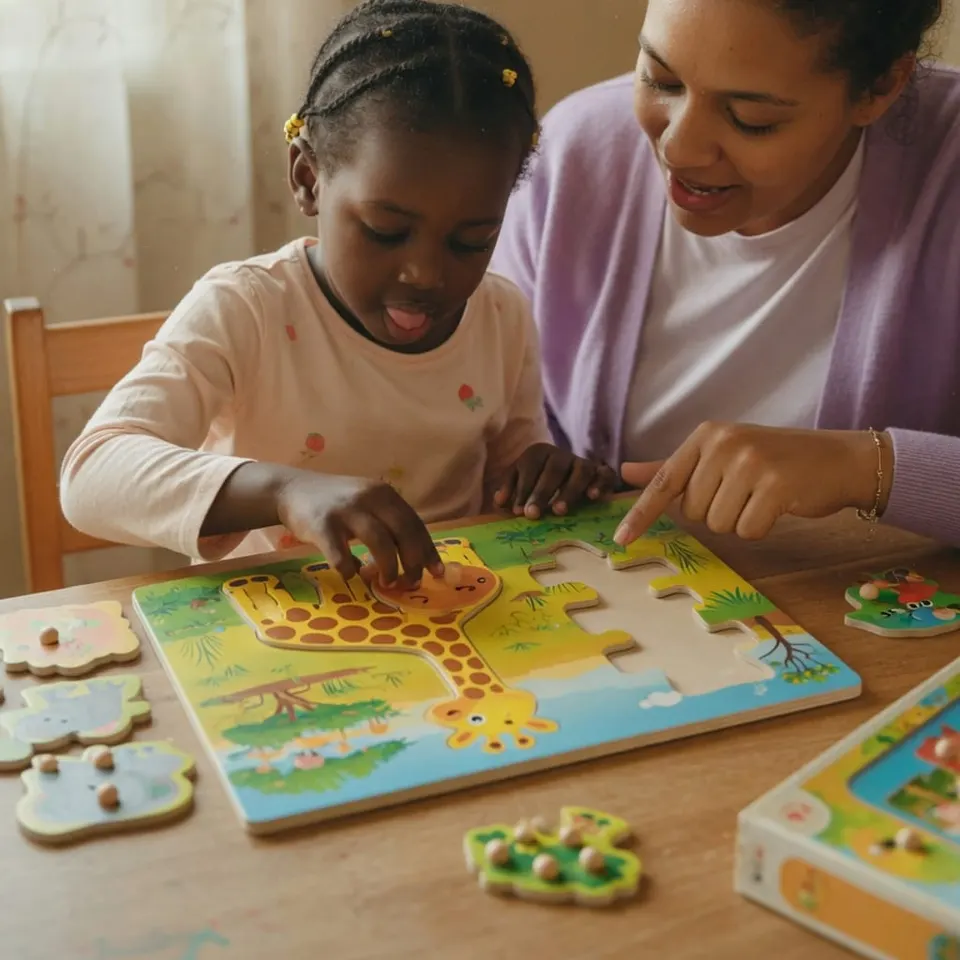
The session usually begins with the therapist engaging your child in play or a preferred activity. This is not just fun-it's a purposeful way to build trust and observe how your child interacts, communicates, and responds to new people. The BCBA will note your child's social initiations, joint attention, and any repetitive behaviors or sensitivities. They will also observe how your child reacts to transitions or requests.
Initial Assessment and Data Collection
Using tools like the VB-MAPP (Verbal Behavior Milestones Assessment and Placement Program) or the ABLLS-R (Assessment of Basic Language and Learning Skills), the BCBA will begin to evaluate your child's skill levels across areas such as language, play, social skills, and self-help. This is done through natural interactions, not formal testing. The BCBA may present simple toys or tasks to see what your child can do independently and where they might need support.
Parent Interview and Goal Setting
While your child plays, the BCBA will ask you about your priorities. Common goals include improving communication, reducing challenging behaviors, increasing social skills, or teaching daily living skills like dressing or toileting. The BCBA will explain how ABA can address these goals and what a typical session might look like going forward. They will also discuss data collection methods-how progress will be tracked-so you can see tangible results over time.

🔗 Related reading: Single Parent ABA Therapy: Logistics Tips · Nearby ABA Therapy
How to Prepare Your Child for the First Session
Preparation can make the first session smoother. Here are some practical tips:
- Keep the day low-stress: Avoid scheduling other appointments or activities right before or after the session. A calm environment helps your child feel secure.
- Bring comfort items: If your child has a favorite toy, blanket, or snack, have it available. These can ease anxiety and serve as natural reinforcers.
- Share a brief history: Write down a few key points about your child's strengths, challenges, and what motivates them. This helps the BCBA quickly understand your child's world.
- Be honest about concerns: If you're nervous or have specific worries (e.g., about discipline, screen time, or sibling involvement), mention them early. The BCBA can address them directly.
- Set expectations for your child: If your child can understand, use simple language like, 'A new friend is coming to play and learn with you today.' Avoid over-explaining or creating anxiety.
Costs and Insurance: What You Need to Know
ABA therapy is often covered by private insurance and Medicaid, including through programs like Early Intervention or state-specific waivers. During the first session, the provider will typically ask for your insurance information and help verify your benefits. They can explain any copays, deductibles, or session limits. If you're using a free matching service like ABA For My Child, they can connect you with providers who accept your insurance, reducing the hassle of finding coverage. Always ask about authorization requirements-some plans need pre-approval before sessions begin.
Common Mistakes to Avoid in the First Session
To make the first session as productive as possible, avoid these pitfalls:
- Over-scheduling: Don't cram the session into a busy day. Your child needs time to adjust without pressure.
- Interfering too much: It's natural to want to help, but let the therapist lead. Your child may respond differently when you step back, and that's okay.
- Expecting immediate results: The first session is about gathering information, not fixing behaviors. Real progress takes time and consistency.
- Hiding challenges: Be open about difficult behaviors or routines. The BCBA needs accurate information to design an effective plan.
- Forgetting self-care: This process can be emotional. Give yourself grace and remember that you are your child's best advocate.
What Happens After the First Session?
After the initial session, the BCBA will analyze the data and write a detailed assessment report. This report will outline your child's current skill levels, areas for growth, and recommended goals. Within a few days or a week, you'll receive a proposed treatment plan, including session frequency (often 10-40 hours per week depending on needs), specific interventions, and a timeline for review. The BCBA will schedule a follow-up meeting to discuss the plan and answer your questions. From there, regular sessions begin, with ongoing parent training and progress updates. If you haven't yet found a provider, a free service like ABA For My Child can match you with vetted, BCBA-led providers in your area, helping you start this journey with confidence.
Final Thoughts: A Partnership in Progress
The first ABA session is the beginning of a collaborative journey. It's a time to build trust, gather information, and set a foundation for meaningful growth. By being prepared, asking questions, and staying engaged, you set the stage for a positive therapy experience. Remember, you are not alone-support is available every step of the way.