ABA Therapy Myths and Facts Every Parent Should Know

In short: ABA therapy is a science-based approach to help children with autism build skills and reduce challenging behaviors. Many myths-like that it's robotic or harmful-are outdated; modern ABA is child-led, play-based, and respectful. It's often covered by insurance and Medicaid, and a free service like ABA For My Child can match you with a vetted BCBA provider.
Key takeaways
- ABA therapy is evidence-based and tailored to each child's unique needs.
- Modern ABA is play-based, child-led, and focuses on positive reinforcement.
- ABA is not about forcing compliance or erasing autistic traits.
- Insurance and Medicaid often cover ABA therapy; a free matching service can help navigate coverage.
What Is ABA Therapy? A Quick Overview
Applied Behavior Analysis (ABA) is a scientific approach to understanding and changing behavior. It's used to help children with autism spectrum disorder (ASD) learn new skills-like communication, social interaction, and self-care-and reduce behaviors that may interfere with learning or safety. ABA is not a one-size-fits-all program; it's individualized, data-driven, and delivered by a Board Certified Behavior Analyst (BCBA) who oversees a team of therapists.
ABA is recognized by the U.S. Surgeon General and the American Psychological Association as an evidence-based treatment for autism. It's often covered by insurance, including Medicaid, under the autism mandate in many states. If you're exploring ABA, a free service like ABA For My Child can help you find a vetted BCBA-led provider in your area.
🔗 Related reading: Solving ABA Therapy After School Schedule Conflicts · Local ABA Therapy
Myth 1: ABA Therapy Is Robotic and Turns Kids Into Robots
This is one of the most persistent myths. The idea comes from early, rigid versions of ABA that used repetitive drills. Modern ABA is completely different. Today's ABA is child-led, play-based, and built on natural reinforcement. Therapists follow the child's interests, use games and toys, and embed learning into everyday activities. The goal is not to make a child act 'normal' but to help them build skills that improve their quality of life.
What Modern ABA Looks Like
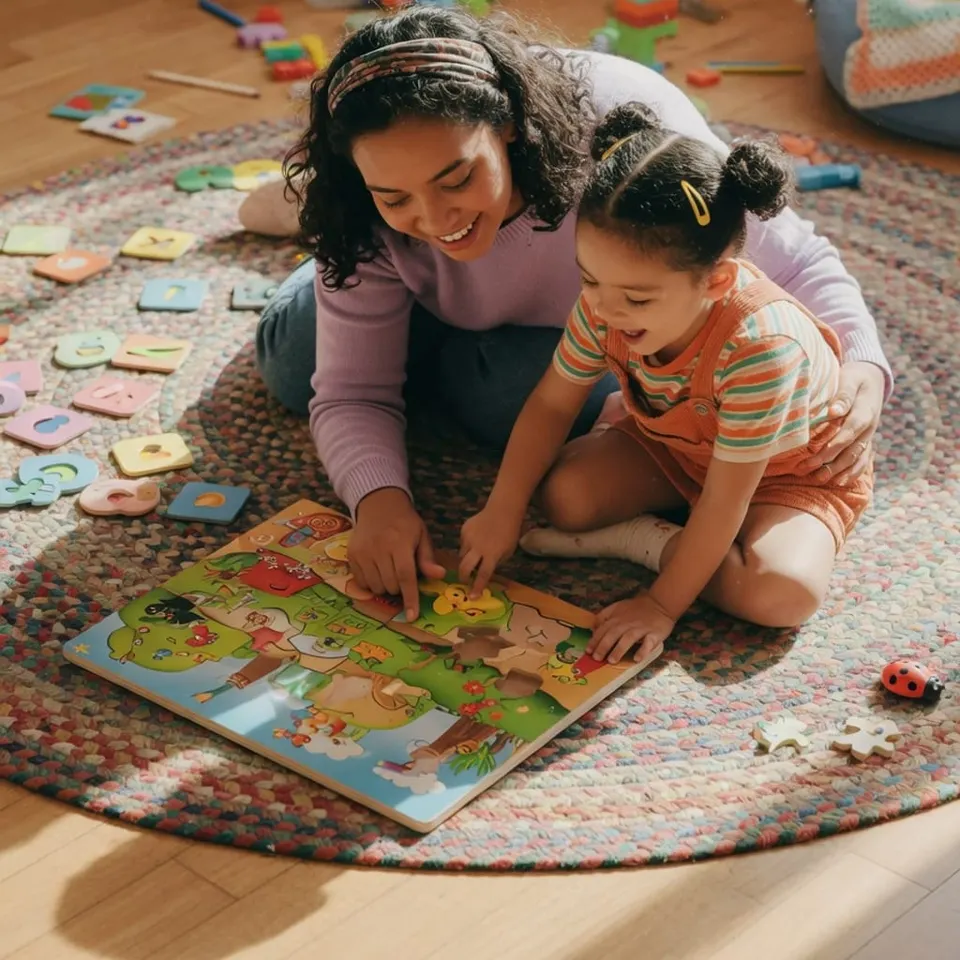
In a typical session, a therapist might sit on the floor with a child, playing with blocks. If the child says 'more' or points to a block, the therapist immediately reinforces that communication by handing over the block. It's natural, fun, and respectful. The child is never forced to do something they don't want to do. The focus is on positive reinforcement-rewarding desired behaviors-not punishment.
Myth 2: ABA Tries to 'Cure' Autism or Erase Autistic Traits
ABA does not aim to cure autism. Autism is a neurotype, not a disease. The goal of ABA is to help children develop skills that allow them to navigate the world more easily-like asking for help, making friends, or brushing their teeth. It's about building competence, not conformity. Ethical ABA respects the child's identity and works on goals that matter to the child and family.
Focus on Functional Skills
For example, if a child stims (self-stimulatory behavior) in a way that's not harmful, a good ABA program will not target that. Instead, it might teach the child to request a break or use a calming strategy when overwhelmed. The emphasis is on functional communication and independence, not on suppressing autistic traits.

🔗 Related reading: Telehealth ABA in Florida: Rules, Coverage & How It Works · Nearby ABA Therapy
Myth 3: ABA Is Only for Young Children
While early intervention (ages 2-6) is highly effective, ABA can benefit children, teens, and even adults. Older individuals may work on social skills, job readiness, or managing anxiety. The principles of ABA-breaking down skills into small steps, using reinforcement, and tracking progress-apply across the lifespan. Many BCBAs specialize in adolescents and adults.
Myth 4: ABA Is Not Covered by Insurance or Is Too Expensive
This is a common misconception. In the United States, most private insurance plans are required to cover ABA therapy for autism under the Affordable Care Act and state mandates. Medicaid also covers ABA in many states. Costs vary, but with insurance, families often pay only copays or coinsurance. A free matching service like ABA For My Child can help you understand your coverage and connect with providers who accept your plan.
How to Check Coverage
Start by calling your insurance company and asking about ABA benefits. Ask about deductibles, copays, and whether you need a referral or prior authorization. Many providers also offer free consultations to discuss coverage. Don't let cost deter you-help is available.

Myth 5: ABA Is Only for Severe Autism
ABA is effective for children across the autism spectrum, from those who are nonverbal to those who are highly verbal. It's also used for other conditions like ADHD, anxiety, and developmental delays. The key is that the program is individualized. A child with mild social challenges might work on conversation skills, while a child with significant needs might focus on safety skills or toileting. ABA is flexible and adaptable.
Myth 6: ABA Is Harmful or Traumatic
This myth stems from outdated practices that used aversives (like electric shocks) or forced compliance. Those practices are now widely condemned and illegal in many places. Modern ABA is guided by ethical codes that prioritize the client's dignity, autonomy, and well-being. Therapists use positive reinforcement, not punishment. If a child is distressed, the therapist stops and adjusts the approach. A good BCBA will always prioritize the child's comfort and consent.
Signs of Ethical ABA
- The child is engaged and happy during sessions.
- Goals are meaningful and functional.
- Therapists listen to the child's cues and respect their boundaries.
- Parents are involved and trained.
- Data is collected to ensure progress, not to force compliance.
How to Find a Quality ABA Provider
Finding the right provider is crucial. Look for a BCBA-led team that uses evidence-based practices, involves parents, and has a positive reputation in the autism community. Ask about their approach to challenging behaviors, how they handle child distress, and what training their therapists receive. A free service like ABA For My Child can match you with vetted providers in your area, saving you time and stress.
Questions to Ask a Potential Provider
- What is your philosophy on ABA and autism?
- How do you individualize programs?
- How do you handle a child who is upset or refusing?
- What does parent training look like?
- Do you accept my insurance?
Final Thoughts: Facts Over Fear
ABA therapy has evolved significantly. When done ethically, it can be a powerful tool to help your child learn, grow, and thrive. Don't let myths keep you from exploring a service that could make a real difference. Arm yourself with facts, ask questions, and trust your instincts. And remember, you don't have to navigate this alone-free matching services are here to help.